
Real-Time UAV Detection at the Edge
How we achieve sub-10ms detection latency for autonomous threat identification using edge computing and optimized neural networks.
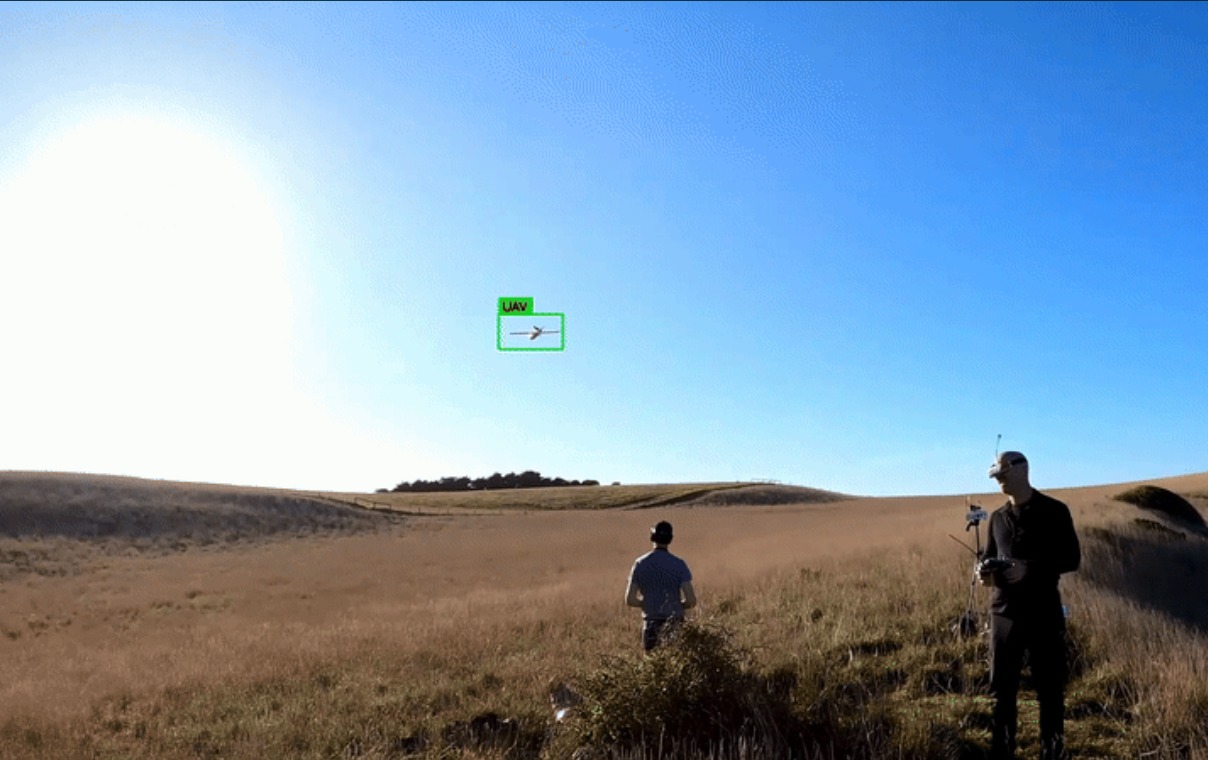
Modern battlefield awareness demands detection speeds that traditional cloud-based systems simply cannot provide. When milliseconds matter, the edge is the only viable compute location.
The Latency Problem
Traditional drone detection systems rely on centralized processing. Camera feeds are streamed to remote servers, analyzed, and results are sent back. This round-trip introduces latency that can exceed 500ms—an eternity when tracking fast-moving aerial threats.
Our approach eliminates this bottleneck entirely by performing inference directly on the aircraft.
Edge-Native Architecture
Tensar’s detection pipeline runs entirely on embedded hardware. Our custom neural networks are optimized for:
- Memory efficiency: Models fit within the constraints of edge accelerators
- Deterministic latency: No network variability, no cloud dependencies
- Graceful degradation: System continues operating even without connectivity
The result: consistent sub-10ms detection across all operational conditions.
What This Enables
Fast detection is not an end in itself. It enables a cascade of autonomous responses:
- Immediate threat classification — friend or foe determination
- Trajectory prediction — anticipating movement patterns
- Coordinated response — swarm-level awareness and reaction
When your detection pipeline is measured in milliseconds rather than seconds, entirely new operational paradigms become possible.
Looking Forward
We are continuing to push the boundaries of what’s achievable at the edge. Upcoming work focuses on multi-modal fusion—combining visual, radar, and acoustic signatures for even more robust detection in contested environments.